Is Porn Addiction Real? A Comprehensive, Evidence-Based Guide
By Jeffrey Pang, Counsellor, MC, Dip. CSBD (ISAT)
Porn addiction has become one of the most debated mental-health issues of the past decade. Some say porn addiction is a myth or simply “lack of self-control.” Others describe real, painful experiences—losing hours to porn, escalating to extreme content, hiding behaviour, and feeling unable to stop.
So what does the science actually say?
And can someone truly be addicted to pornography?
This article breaks down the research, psychology, and clinical evidence behind compulsive pornography use—bringing clarity to one of today’s most misunderstood issues.
1. Is Porn Addiction Real? The Short Answer: Yes, It Can Be
While not everyone who watches pornography develops an addiction, compulsive sexual behaviour involving porn can become a clinical disorder. It mirrors other addictions in three key ways:
- Loss of control
- Continued use despite consequences
- Unsuccessful attempts to stop
In fact, the World Health Organization (WHO) officially recognised this phenomenon as Compulsive Sexual Behaviour Disorder (CSBD) in 2018 and included it in the International Classification of Diseases (ICD-11th Edition).
This means porn addiction is no longer just a moral, behavioural, or cultural issue—it is a clinically recognised mental health condition.
2. What the Brain Science Shows
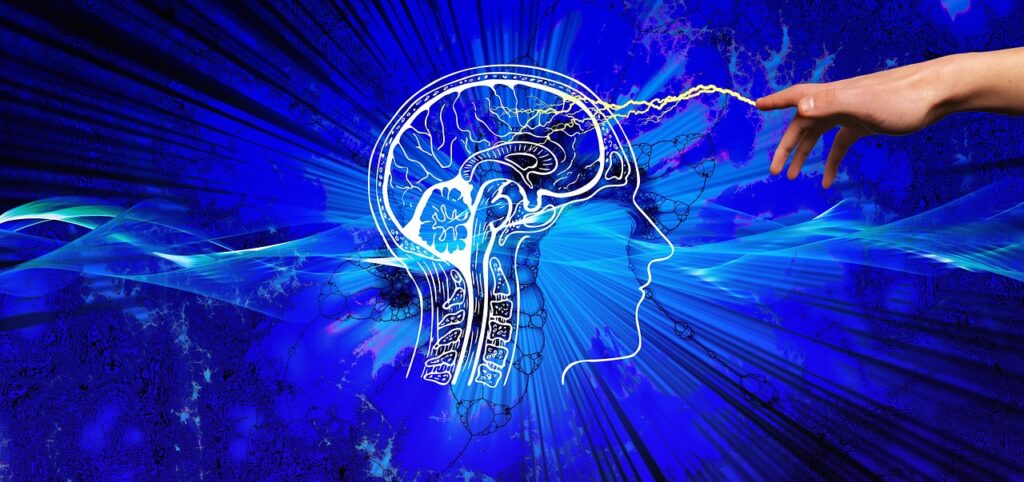
A landmark 2014 study from the University of Cambridge changed the global conversation about porn addiction. Researchers found that individuals with compulsive sexual behaviour show brain activation patterns strikingly similar to those seen in drug addiction1.
Dr Valerie Voon, who led the study, explains:
People with compulsive sexual behaviour “show similarities in their brain activity to patients with drug addictions.”
This study was one of the first to demonstrate that:
- Porn can activate the brain’s reward circuitry
- Compulsion is tied to reward anticipation
- The brain reacts similarly to addiction triggers
In other words:
porn addiction is neurologically real, not just a matter of willpower.
3. What Is CSBD (Compulsive Sexual Behaviour Disorder)?
The WHO defines CSBD as:
“A persistent pattern of failure to control intense, repetitive sexual impulses or behaviours… leading to marked distress or impairment2.”
(World Health Organization, ICD-11)
Symptoms of CSBD include:
- Repeated, intrusive sexual thoughts or urges
- Excessive time spent on pornography or sexual activity
- Using porn for emotional escape (stress, loneliness, boredom)
- Failed attempts to reduce or stop
- Distress, guilt, or impairment in relationships, work, or daily life
CSBD applies to a spectrum of behaviours—but for many, pornography is the primary issue.
4. How Porn Addiction Develops: A Dopamine-Driven Cycle
All addictions—substances, gambling, gaming, and porn—operate through the dopamine reward system. Pornography is especially potent because:
- It is easily and often, freely, accessible
- It offers unlimited novelty
- It creates excitement on demand
- It activates primal arousal circuits
- It reinforces repeated behaviour
Here’s what the cycle often looks like:
A. Trigger
Stress, boredom, loneliness, frustration, emotional discomfort, or a visual trigger.
B. Escapism
Porn becomes a way to escape or self-soothe.
C. Dopamine Spike
Porn offers a powerful surge of pleasure and anticipation.
D. Crash
After the high comes guilt, fatigue, or emotional numbness.
E. Craving
The brain seeks the dopamine spike again—leading to another session.
Over time, the brain adapts:
it needs more intense or novel content to achieve the same effect.
This escalation mirrors what researchers see in chemical addictions.
5. Signs You May Be Addicted to Porn
While occasional porn use doesn’t equal addiction, the following signs suggest compulsive patterns:
- Spending more time on porn than intended
- Escalating to extreme or risky content
- Feeling unable to stop despite trying
- Hiding or lying about porn use
- Feeling distressed, anxious, or irritable when abstaining
- Neglecting work, studies, relationships, or sleep
- Using porn to cope with negative emotions
- Feeling guilt, shame, or emotional exhaustion afterwards
If several of these ring true, you may be dealing with compulsive patterns rather than simple habit.
6. How Porn Addiction Affects Your Life
Compulsive porn use can affect multiple areas:
Mental Health3
- Anxiety
- Depression
- Shame and self-blame
- Emotional numbing
Relationships4
- Reduced intimacy
- Unrealistic sexual expectations
- Avoidance of real-life connection
- Secrecy and communication breakdown
Productivity & Focus3
- Procrastination
- Cognitive fog
- Sleep disruption
- Reduced motivation
Sexual Functioning5
Research has linked heavy porn use to:
- Porn-induced erectile dysfunction (PIED)
- Lower sexual satisfaction
- Difficulty bonding with partners
These consequences are not moral judgments—they are neurological and psychological effects documented in research.
7. Why Do Some People Develop Porn Addiction While Others Don’t?
Several factors increase vulnerability:
Biological factors
- High sensitivity to dopamine
- ADHD traits
- Impulse control difficulties
Psychological factors
- Stress
- Depression
- Anxiety
- Poor self-esteem
Trauma history
People with childhood trauma or attachment wounds may be more susceptible.
Attachment Injuries
People with past attachment injuries (emotional wounds with primary caregivers), which results in insecure attachment, may also be more susceptible to compulsive behaviours. Research has shown that men, who are enmeshed with their mothers (abnormal emotional attachment), may be more susceptible.
Environmental factors
- Unlimited internet access
- Isolation
- Cultural pressure
- Sexual messaging in media
Porn addiction is rarely about sex itself—it is usually about escape, coping, or emotional regulation.
8. How Porn Addiction Is Treated (Evidence-Based Approaches)
Treatment focuses on both brain and behaviour. Effective approaches include:
A. Professional counselling
Working with a trained therapist specialising in sexual compulsivity, trauma, or addiction.
B. Cognitive Behavioural Therapy (CBT)
Helps interrupt patterns, identify triggers, and build new habits.
C. Trauma-informed therapy
Addresses deeper emotional wounds driving compulsive behaviour.
D. Mindfulness and behavioural conditioning
To reduce cravings and rewire the brain.
E. Support groups
- 12-Step programs
- CSBD-focused groups
- Accountability communities
F. Lifestyle interventions
- Digital boundaries
- Sleep and exercise
- Social connection
- Emotional regulation skills
Recovery is not instant—but it is absolutely possible.
9. How to Know If You Need Help
Seek help if:
- You cannot control your porn use
- Your behaviour is escalating
- You feel distressed, ashamed, or stuck
- Porn is affecting your work, studies, or relationships
- Attempts to quit haven’t lasted
Reaching out for help is a sign of strength—not failure.
10. Getting Support in Singapore
At Sacred Space Counselling, we specialise in helping individuals understand and overcome compulsive pornography use using:
- Evidence-based therapy
- CSBD-informed interventions
- Trauma-sensitive approaches
- Confidential one-to-one counselling
Whether you’re exploring recovery for yourself or someone you care about—support is available.
References
- University of Cambridge. (2014). Brain activity in sex addiction mirrors that of drug addiction. https://www.cam.ac.uk/research/news/brain-activity-in-sex-addiction-mirrors-that-of-drug-addiction ↩︎
- World Health Organization. (2019–2025). Compulsive Sexual Behaviour Disorder (CSBD), ICD-11. https://icd.who.int/browse/2025-01/mms/en#1630268048 ↩︎
- Camilleri C, Chakravarthy S, Blaszczynski A, et al. Compulsive Internet Pornography Use and Mental Health: A Cross-Sectional Study among University Students. PLoS ONE/PubMed Central 2021 ↩︎
- https://extension.usu.edu/relationships/research/effects-of-pornography-on-relationships?utm_source=chatgpt.com ↩︎
- Jacobs T, et al. Associations Between Online Pornography Consumption and Erectile Dysfunction. PMC 2021 ↩︎